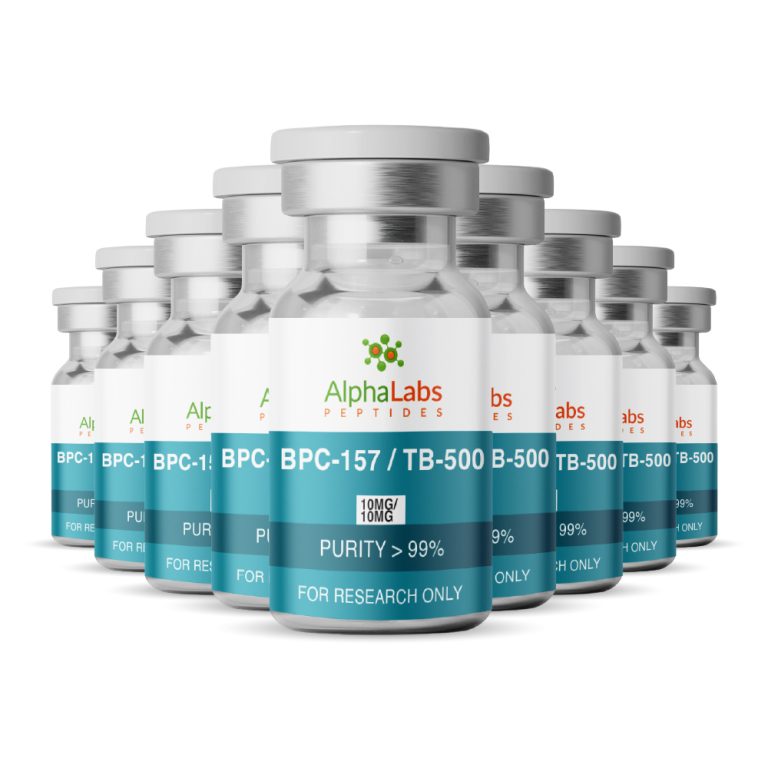
Confirmed > 99% Lab-grade Peptides
Chemical & Physical Click here to find out more Peptide Evaluation
Throughout solid-phase synthesis, each amino acid combining action has a yield of roughly 99-- 99.8%. When a combining falls short, the expanding chain is capped to avoid further elongation of the wrong sequence. The outcome is a peptide that's shorter than intended-- missing several amino acids.Peptide Functional Analysis In Biomedical Study
- We select techniques according to peptide length, hydrophobicity, cost account, and modification standing rather than requiring every sample right into one template.
- FDA and the European EMA have actually established standards mandating complete analysis and quality control for peptide products to guarantee security and effectivenessr.
- If covering isn't flawlessly efficient, an uncoupled chain can remain to lengthen in succeeding actions, producing a peptide that's just one residue short of the target.
- Our workflow is developed to relocate from example context review to interpretable peptide information with very little logical ambiguity.
- If the COA details "complete contaminations", that matches the purity number (e.g., 98% pureness implies 2% total pollutants).
As the portion of natural solvent slowly boosts during the run, molecules are released from the column in order of their hydrophobicity-- the extra hydrophobic a peptide, the longer it requires to elute (clean off). Since impurities typically differ from the target peptide by a minimum of one amino acid, they have a little different hydrophobicities and turn up as different optimals on the chromatogram. The bottom line is not to perplex purity (HPLC portion of the major peptide vs pollutants) with general content. For speculative planning (like calculating molar concentrations), both purity and web web content serve numbers, but pureness is what reflects the chemical homogeneity of the peptide sample.
A functional assay gauging downstream signaling-- or a structural research study utilizing NMR or X-ray crystallography-- demands the highest possible purity available. Crystallographers particularly frequently require ≥ 98% purity because also minor pollutants can protect against crystal formation or introduce disorder right into the crystal latticework. As particles exit the column, they travel through a detector-- typically a UV detector set to 214 or 220 nm, wavelengths where the peptide bond takes in light strongly. The detector records just how much UV light is soaked up with time, generating a graph called a chromatogram. This guide breaks down what pureness actually suggests in peptide chemistry, how it's determined, what the contaminations are, and how to review the documentation that shows a peptide is what it declares to be.Example Preparation
An accredited laboratory complies with stringent standards for test accuracy and technique validation. You can frequently check if a laboratory is accredited via its internet site or documents; accreditation makes sure the laboratory's protocols and outcomes are held to global criteria. With high degrees of experience in carb chemistry and our detailed peptide evaluation platform, Innovative Peptides can offer high-quality peptide pureness decision solutions. According to strict analysis quality control and biosynthetic quality assurance requirements, each peptide is purely checked throughout the analysis cycle.Respectable peptide providers constantly note their products in this manner and provide quality records with HPLC and MS data to support the pureness degree. As long as you obtain peptides from a relied on source that supplies a complete certificate of evaluation, you can be positive in the peptide's pureness grade and usage scope. Peptides are checked through a mix of methods, consisting of HPLC for pureness, mass spectrometry (MS) for sequence verification, and nuclear magnetic vibration (NMR) for architectural analysis. These techniques aid determine the peptide's make-up, verify the molecular weight, and Peptide Stacks identify any type of architectural modifications or impurities, ensuring the peptide fulfills high quality and specification demands. With our extensive peptide analysis system, Imaginative Proteomics has actually created a very delicate and specialized platform.
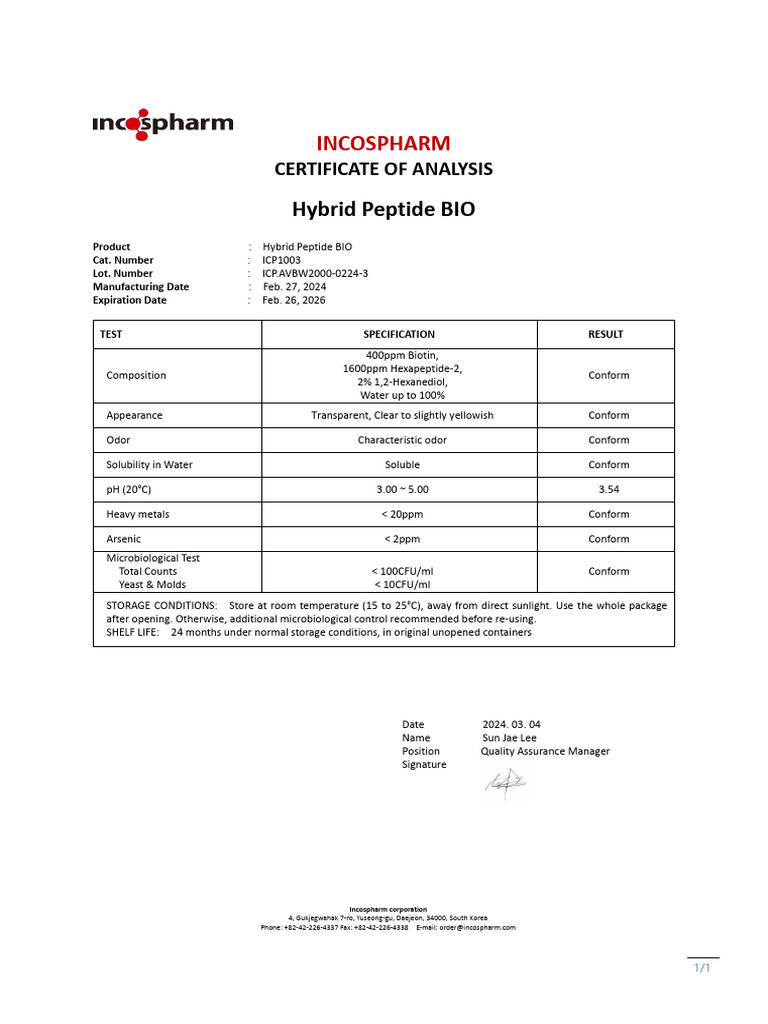
We can provide professional peptide pureness resolution services using analytical reversed-phase HPLC combined with mass spectrometry. Each peptide is carefully kept an eye on during the logical cycle according to rigorous analytical quality assurance and biosynthetic quality assurance criteria. HPLC is excellent at responding to the question "just how pure is this sample by chromatographic area percent? " It does not, by itself, prove that the primary optimal is the desired peptide.